© 2026 Rentokil Initial plc and subject to the conditions in the legal statement.
Quick overview
- Rodenticide regulations are tightening in a growing number of states.
- Second-generation anticoagulant baits, or SGARs, face the most new restrictions.
- Rules differ by state, which creates a compliance patchwork for multi-site operators.
- These chemicals can harm hawks, owls, and other wildlife that feed on poisoned rodents.
- Prevention and monitoring matter more as access to baiting narrows.
If your business relies on baiting to control rodents, it is important to stay updated on state regulations. Across the country, rodenticide rules are tightening, making traditional commercial products harder to purchase and use. Rather than a single sweeping law, this shift consists of various state regulations moving through legislatures. Here is a look at what is driving these updates, the current regulatory landscape, and what it means for commercial pest control moving forward.
What is actually changing
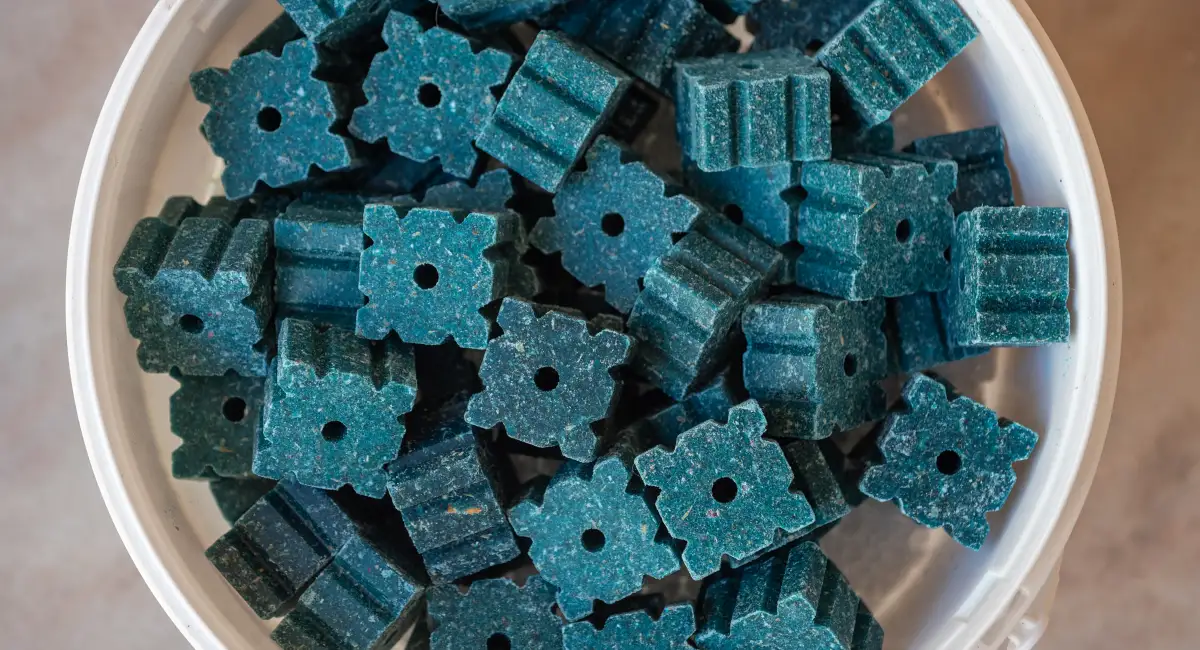
Most new updates focus on second-generation anticoagulant rodenticides, known as SGARs. These potent baits were introduced to control rodents that became resistant to earlier options. However, SGARs remain in a rodent's system after consumption, putting hawks, owls, and other natural predators at risk when they hunt target pests.
The federal government established baseline rules for these products. According to the U.S. Environmental Protection Agency, consumer registrations for SGARs have ended, restricting the primary four chemical compounds to professional structural and commercial pest management uses. Individual states are now expanding on these rules, with several introducing stricter limitations.
Where it is already happening
While regulations vary across regions, the overall direction remains clear. Here is how state approaches currently differ.
- South Carolina: SGARs are designated as restricted-use products statewide, limiting sales to certified applicators and requiring dealers to maintain detailed transaction records, according to Clemson University's Department of Pesticide Regulation.
- California: Both first- and second-generation baits are classified for restricted use across the state, with specific exemptions reserved for food processing plants, warehouses, and related regulated environments.
- Washington State: While SGARs are not classified as restricted use, distributors need a dedicated manager or dealer license to sell them, and residential application is prohibited.
Additional states are considering similar updates. Although specific requirements differ by location, the overall trend points toward increased oversight and narrower product access.
The multi-site challenge
Managing compliance for a single location is relatively straightforward, but multi-state operations face a complex regulatory landscape. What certified applicators can use in one jurisdiction may be restricted in another, creating operational risks across locations. Standardized rodent control strategies must be flexible enough to align with local requirements.
Why this pushes toward prevention
As baiting options narrow, relying exclusively on chemical treatments becomes less practical. The most effective strategy focuses on preventing infestations early and using chemical applications as a targeted secondary option.
This philosophy forms the basis of integrated pest management, a framework supported by regulatory agencies. By prioritizing structural exclusion, proper sanitation, and facility assessments, baiting is reserved for targeted needs. Adopting this strategy helps organizations adapt smoothly as new regulations take effect.
Seeing activity without relying on poison
Reducing bait usage requires active oversight. Continuous monitoring technology tracks activity in real time, alerting facility managers as soon as pests are detected. This approach enables targeted responses where needed, minimizes chemical reliance, and maintains clear documentation for regulatory audits.
Stay ahead of the rules with connected monitoring
With rodenticide regulations continually evolving, proactive monitoring offers a reliable path forward. PestConnect provides 24/7 activity tracking, notifying your local Presto-X team immediately when an alert triggers. This data-driven approach focuses control efforts precisely where they are needed, making compliance management simpler for multi-site operations.
Contact our team today to request a free inspection and learn how connected monitoring can support your business locations.
Book your free pest inspection today
Our local technicians will assess your facility and recommend tailored solutions. Fast, friendly, and completely obligation-free.
- Safe, targeted treatments
- Local experts, fast response
- Trusted, trained technicians