© 2026 Rentokil Initial plc and subject to the conditions in the legal statement.
Contact your Local Pest Control Office Today!
Whether you're moving products across the country or around the world, pests can hide in packaging, pallets, or the container itself. Container fumigation is a key step in protecting goods during shipping.
Cargo, or shipping container fumigation, involves sealing a container and filling it with gas to treat pests that may be hiding inside. It’s often needed when sending goods overseas, especially if wood packaging is used. Many countries require this step to prevent pests from crossing borders.
Container fumigations, unlike in transit fumigations, require the container being fumigated to remain stationary for the duration of the fumigation process. Presto-X offers fumigation services for export containers at ports, warehouses, and other customer sites. Our technicians ensure the process is handled correctly every time.
Container fumigation can be used to solve a variety of pest and disease concerns:
Nearly anything can be fumigated using the container fumigation method. The label restrictions of the fumigant used will dictate if a given commodity can be fumigated or not.

We use approved fumigants based on your cargo type and where it’s headed. One common option is methyl bromide fumigation, often required for export goods and wood packaging. When needed, we also offer alternatives to methyl bromide fumigation that still meet international standards while supporting environmental goals.
No matter which method is used, our team closely monitors gas levels to ensure the treatment meets industry standards.
We follow a careful, step-by-step process to ensure your goods meet all regulations.
We begin by checking the container and its contents, identifying any pest concerns, and choosing the right fumigation plan based on where it’s going and what’s inside.
The container is sealed to keep the gas inside. This can include taping vents, using sheeting, or closing built-in doors, depending on the situation.
Once sealed, we apply the fumigant and monitor the gas to ensure it reaches the correct levels.
The container stays closed for a set amount of time, usually several hours, so the gas can reach all pests, even those hiding deep inside the load.
After treatment, we air out the container. We test the air to confirm clearance before releasing the container for transport or unloading.
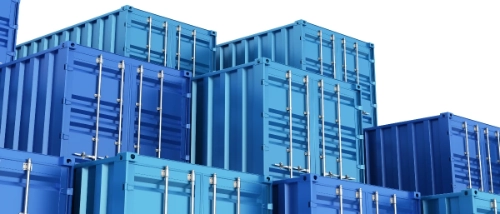
Many businesses use shipping or cargo container fumigation to meet customs requirements and protect goods. Common industries include:
No matter what you're moving, fumigation helps protect the load and reduce delays.
We’ve worked with thousands of businesses to protect goods during shipping and avoid costly delays. If you need reliable container fumigation for your next shipment, contact Presto-X today. We'll help you meet export requirements and stay on track.
Pallet fumigation is a treatment that uses gas to kill pests hiding in or on wooden pallets. It’s often required when shipping goods to other countries.
ISPM 15 is a rule that helps stop pests from spreading between countries. It requires wooden packaging, like pallets, to be treated so pests don’t travel with shipments.
Pallet fumigation services usually take one to two days. This includes sealing, treating, and airing out the pallets.
If untreated pallets are used, your shipment could be delayed, turned away, or destroyed at the border. It can also lead to fines or extra costs.
Fumigation should get rid of pests at the time of treatment, but it doesn’t prevent future infestations. Pallets should be kept dry and stored properly to help avoid future problems.