© 2026 Rentokil Initial plc and subject to the conditions in the legal statement.
Quick overview
- Warehouses are high-risk for rodents due to loading docks, shipments, and stored goods.
- Rodents can damage wiring, packaging, and inventory.
- Even low-level rodent activity can contaminate products.
- Proofing combines physical exclusion, monitoring, sanitation, and employee awareness.
- Rodent-proofing helps protect compliance, reputation, and supply chain integrity.
Busy, high-traffic environments, warehouses are prime targets for rats and mice. Constant shipments moving in and out, large amounts of stored goods, and plenty of dark, undisturbed corners all create ideal conditions for rodents to settle in. Once they do, the consequences can be costly.
That’s where rodent-proofing comes in. Rodent control starts with physical exclusion – it’s much better to prevent an infestation than deal with one.
What rodent-proofing involves
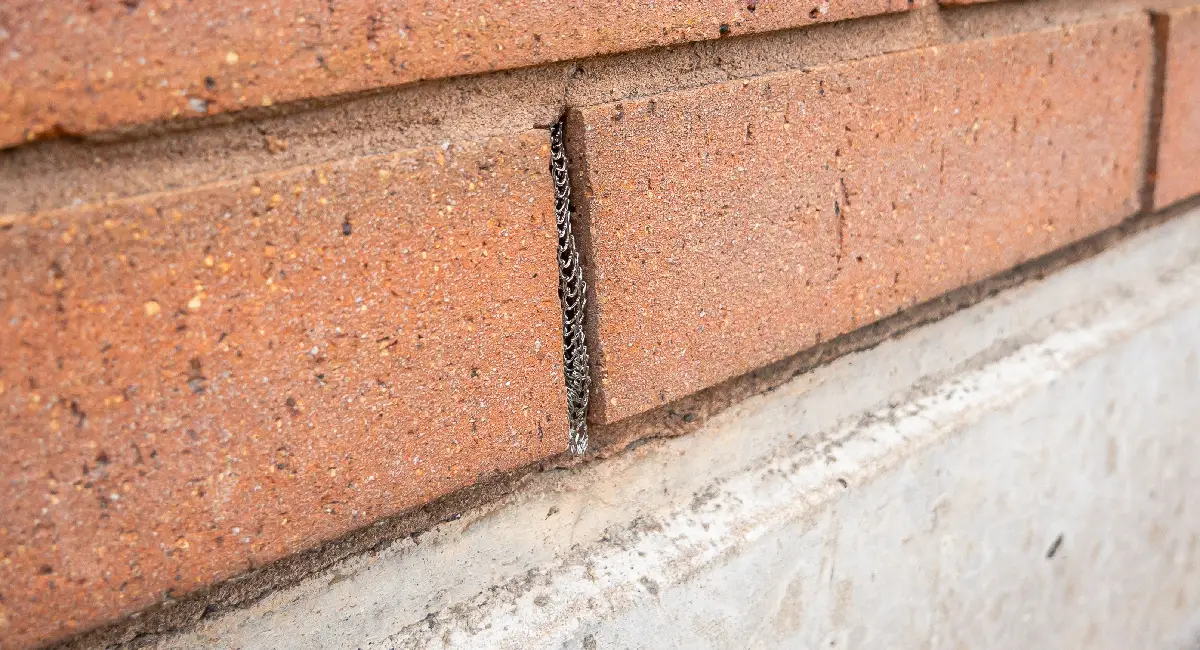
Physical exclusion is the foundation of any effective rodent-proofing program and involves identifying gaps, cracks, and openings in your building, then sealing them to keep rodents out. In a warehouse, that's more involved than it sounds. Buildings shift over time, loading areas create constant structural stress, and features like weep holes or cladding joints are easy to overlook.
%20(1).e0aad1d9772f1b529e8742c5ef8e3c51.webp)
Where exclusion is needed, our technicians use Flexi Armour, a range of purpose-built exclusion products that create barriers rodents can't chew through. Depending on the needs of your warehouse, Flexi Armour solutions can include:
- Dock seals for gaps around loading bay levelers
- Building mesh for cladding joints and perimeter gaps
- Weep hole covers that block entry without affecting drainage or airflow
- Sealant compounds for smaller holes and cracks in building substrates
- Proofing tape for cracks and surface gaps
Other rodent-proofing essentials
An effective commercial pest control plan for rodent control isn’t just about exclusion: monitoring, sanitation, and ongoing management are all vital when it comes to pest control in warehouses.
- Monitoring: Regular inspections and the use of bait stations and monitoring devices, like our PestConnect digital pest management system, helps to detect rodent activity early, before infestations grow.
- Sanitation: Reviewing storage practices, waste management, and housekeeping to reduce the conditions that attract rodents in the first place.
- Employee awareness: Training your team to recognize the signs of rodent activity and know how to report them.
Presto-X uses integrated pest management (IPM). It’s a prevention-first strategy that focuses on long-term protection rather than reactive treatment.
The risks rodents pose to warehouse operations
Rodent-proofing helps to protect your inventory, your people, your compliance record, and your reputation. Here's why it matters.
- Damage to inventory and infrastructure - Rodents keep their teeth in check by gnawing constantly. In a warehouse, that means packaging, wiring, insulation, wooden pallets, and structural materials are all at risk. Chewed electrical wiring can create fire hazards. Damaged packaging can compromise product integrity and trigger costly write-offs.
- Contamination and health risks - Rats and mice contaminate surfaces through their droppings, urine, and fur. In a storage and distribution environment even low-level rodent activity can render products unsellable and put employees at risk. Rodents can carry diseases including leptospirosis and salmonella, which can be transmitted through contact with contaminated surfaces or materials. Rodent faeces, if inhaled, can also carry the risk of hantavirus.
- Compliance and audit failures - Warehouses operating in regulated industries face strict third-party and government audit requirements. Rodent sightings, or evidence of rodents, can trigger a failed inspection, a product recall, or an operational shutdown. Maintaining a documented, proactive pest management program is often a requirement for compliance with FDA, USDA, and third-party audit standards.
- Reputational risk - A rodent problem in a warehouse doesn't stay contained to the warehouse. Contaminated shipments, failed audits, and product recalls can all damage relationships with clients and suppliers.
Presto-X offers full service pest control for warehousing and logistics operations. Speak to one of our experts and find out how we can help protect your business.
Book your free pest inspection today
Our local technicians will assess your property and recommend tailored solutions. Fast, friendly, and completely obligation-free.
- Safe, targeted treatments
- Local experts, fast response
- Trusted, trained technicians