© 2026 Rentokil Initial plc and subject to the conditions in the legal statement.
Quick overview
- Food processing plants are high-risk environments for pest activity.
- The most common food pests in food processing are stored product insects, rodents, and flies.
- Pests need just three things to thrive: food, water, and shelter. Food processing environments often provide all three.
- A proactive, integrated approach to food processing pest control is the most effective defense.
Food processing plants are among the most challenging environments for commercial pest control. You're dealing with large volumes of raw ingredients, complex machinery, constant deliveries, and a workforce moving in and out around the clock. That combination creates plenty of opportunities for pests to get in, find what they need, and settle in.
The stakes are high. A pest problem in a food facility isn't just an operational headache. It can trigger failed audits, product recalls, and serious damage to your reputation. The U.S. Food and Drug Administration (FDA) classifies pest contamination as a form of food adulteration, meaning even the presence of certain insects or rodent evidence can put your facility in violation of federal food safety standards.
Stored product insects: the hidden cost of these common food pests
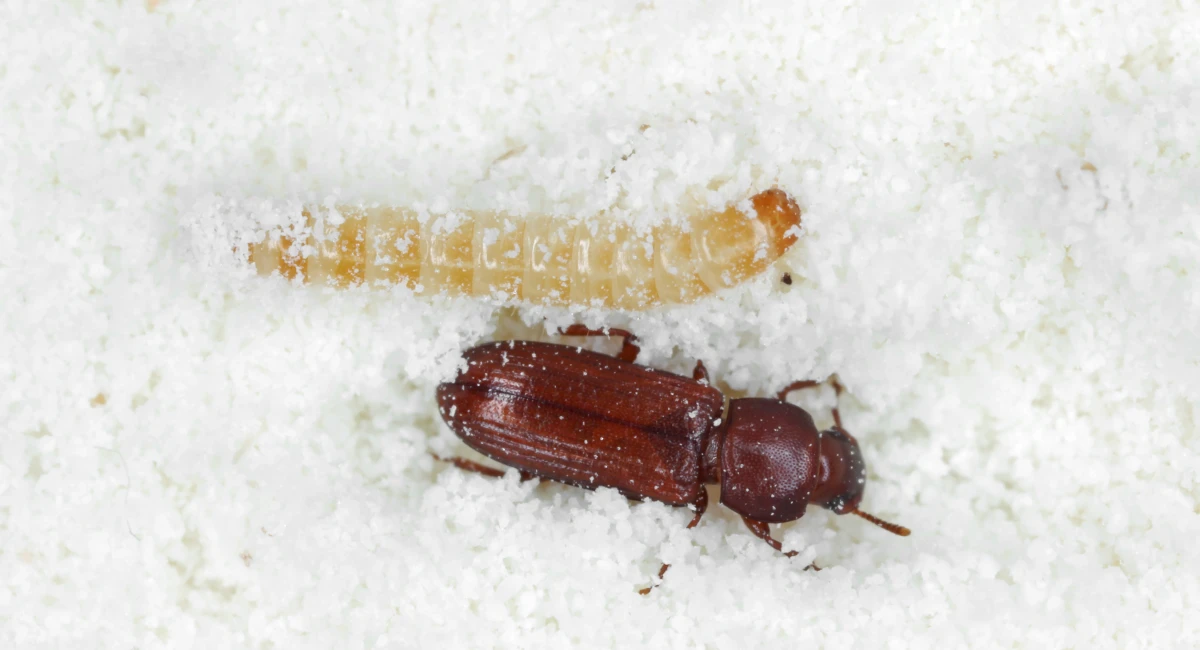
Stored product insects (SPIs) are one of the most common food pests found in processing and distribution environments. This group includes beetles, weevils, moths, and mites that infest dry goods like flour, cereals, nuts, dried fruit, spices, and grains.
What makes SPIs particularly tricky is that infestations often go undetected for a long time. The insects are small, they breed inside packaging, and all life stages (egg, larva, pupa, and adult) can be present at the same time. Some species can even penetrate sealed packaging through holes too small to see with the naked eye.
Signs of stored product insects
- Live or dead insects near stored food or grain products
- Larvae, eggs, or webbing in or around packaging
- Clumping or unusual texture in flour, cereal, or similar products
- Holes in packaging or damaged seals
- Odd smells from affected products
SPIs can arrive in your facility through incoming raw materials or infested shipments, which is why inspection at the point of delivery is critical. Any pest control services for food processing facilities should include a pheromone monitoring program designed to detect activity early, before it becomes a larger problem.
Rodents: a serious threat to food safety and infrastructure
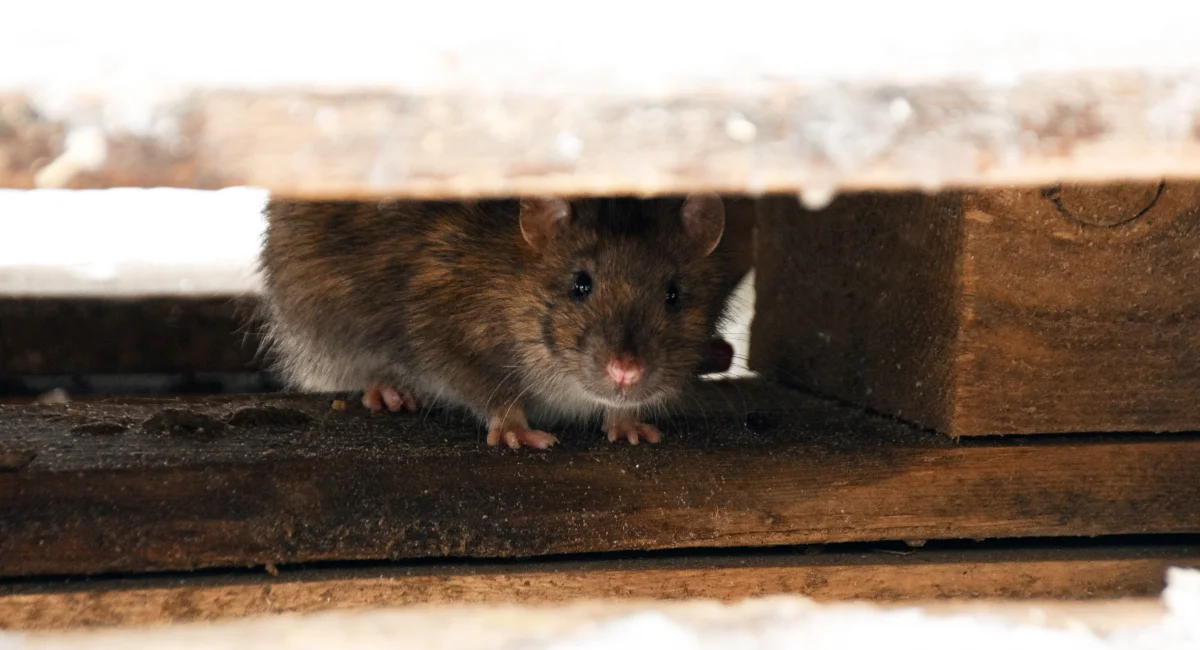
Rats and mice are drawn to food processing plants for obvious reasons: there's a reliable food supply, warmth, and plenty of places to hide. Once inside, they don't stay put. Rodents can travel throughout a facility, contaminating surfaces, products, and packaging as they go.
The risks go beyond food contamination. Rodents gnaw through wiring, insulation, and structural materials, which can cause equipment failures and production downtime. They spread disease through droppings, urine, and contact with surfaces, with potential pathogens including Salmonella and Leptospirosis.
Rodents are also prolific breeders. A small problem can grow into a significant infestation in a short period of time, especially in a facility that provides consistent food and shelter.
Common signs of rodent activity
- Droppings along walls, near food storage, or under equipment
- Gnaw marks on packaging, wiring, or structural materials
- Smudge marks along walls from oily fur
- Scratching or scurrying sounds, particularly at night
- Nesting material in undisturbed areas
Effective rodent control in a food processing environment requires more than traps. It involves identifying entry points, addressing harborage areas, reviewing sanitation practices, and implementing ongoing monitoring.
Flies: a compliance and hygiene risk
Flies are one of the most disruptive common pests in the food industry. Several species are attracted to the odors produced by food facilities, including house flies, fruit flies, drain flies, and phorid flies. Each species has different breeding habits and preferred food sources, which affects how they're managed.
The hygiene risk is real. Flies move between contaminated sources (waste, drains, decaying matter) and clean production areas, carrying bacteria on their bodies and internally. House flies, in particular, regurgitate digestive fluids and defecate while feeding, which can contaminate food contact surfaces and products.
Fly prevention in food processing facilities
- Install and maintain fly screens on windows, vents, and doors
- Use air curtains or strip doors at entry points
- Keep doors closed when not in use
- Maintain drains regularly to remove breeding sites
- Use insect light traps in appropriate locations
Cockroaches: a risk in food handling areas
While not always the first pest that comes to mind for food processing, cockroaches are a genuine concern in facilities that handle food. They thrive in warm, humid environments and are attracted to food residue, grease, and moisture. Cockroaches can contaminate surfaces and products with bacteria and are considered vectors of foodborne pathogens by the FDA.
Pest control for your food processing facility
Pest problems in food processing plants don't fix themselves. The longer an infestation goes unaddressed, the more costly and disruptive it becomes. If you're concerned about pest activity in your facility, or want to put a proactive program in place, our team is ready to help.
We work with food processing facilities across the Midwest and Western U.S., building tailored pest management programs that support compliance and protect your operations. Get in touch with Presto-X to schedule a free inspection.
See how Presto-X can help commercial operations address pest infestations.
Book your free pest inspection today
Our local technicians will assess your property and recommend tailored solutions. Fast, friendly, and completely obligation-free.
- Safe, targeted treatments
- Local experts, fast response
- Trusted, trained technicians