© 2026 Rentokil Initial plc and subject to the conditions in the legal statement.
Quick overview
- Different environments require different fly control approaches for the best results
- Bait traps reduce outdoor fly activity by attracting flies away from key areas
- Light traps manage indoor flies using hygienic capture methods
- Combining methods helps improve long-term fly control
Flies are more than a nuisance in commercial spaces. They can disrupt operations, affect customer experience, and raise hygiene concerns—especially in sensitive industries like food processing, pharmaceuticals, hospitality, foodservice, and healthcare.
That’s why fly control isn’t just about reacting to a problem. It’s about choosing the right approach for the environment you’re trying to protect. When comparing methods, most businesses can consider two main options: bait traps and light traps. While they’re often discussed side by side, they’re designed to do very different jobs.
The different roles of bait traps and light traps
It’s easy to assume one solution will cover everything. In reality, effective fly control works best when you match the method to the environment.
Bait traps attract flies using scent, usually mimicking food or waste, whereas light traps use ultraviolet (UV) light to draw flies toward a controlled capture system. This difference matters. Flies behave differently depending on where they are. Outdoors, they follow smell. Indoors, they are more likely to respond to light and movement. So instead of asking which type of trap is better, the more useful question is: Where is the problem happening?
Bait traps help reduce outdoor fly pressure
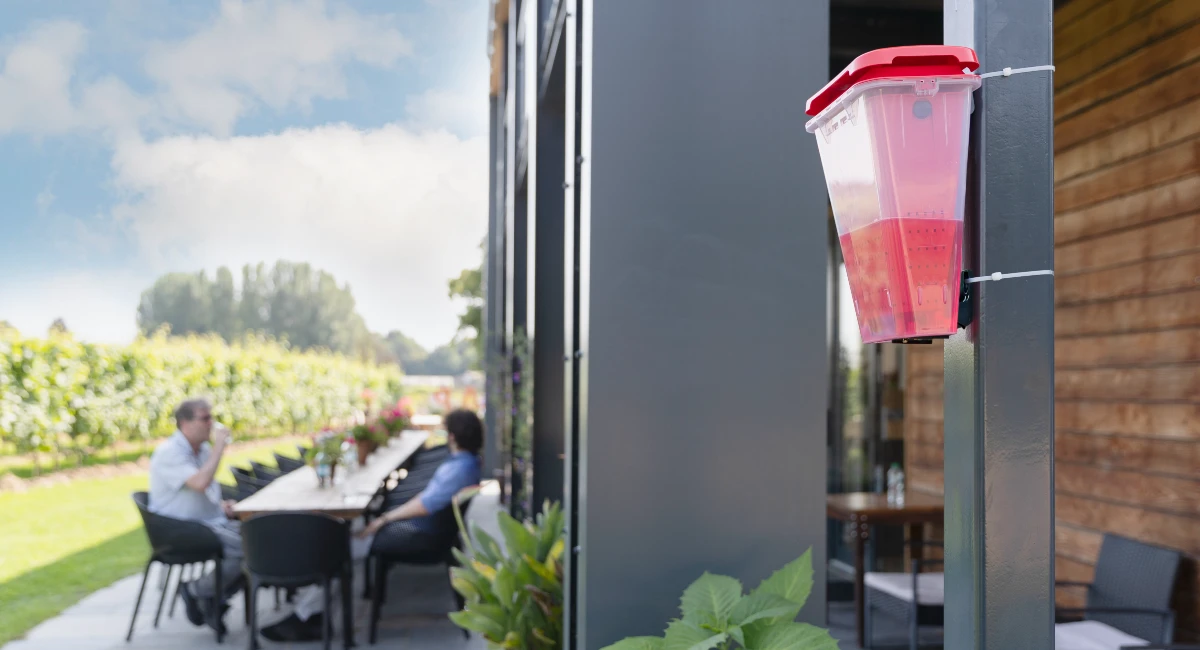
Bait traps are designed for outdoor use, where flies are actively searching for food sources. They can help:
- Draw flies away from entrances, seating areas, or loading zones
- Reduce fly activity around bins and waste storage
- Target flies before they enter a building
This makes them a practical option for service yards outside of warehouses, refuse areas near restaurants, and external spaces where odors are already present, like outdoor seating areas.
As outdoor trapping helps lower the fly population, it often reduces the number of flies trying to get inside business premises and acts as a first line of defense. Businesses may opt for solutions like EcoCatch Flies as part of this approach, but it’s worth noting that bait traps are generally most effective when used alongside good waste management and site hygiene rather than a standalone fix.
Why insect light traps are key for indoor environments
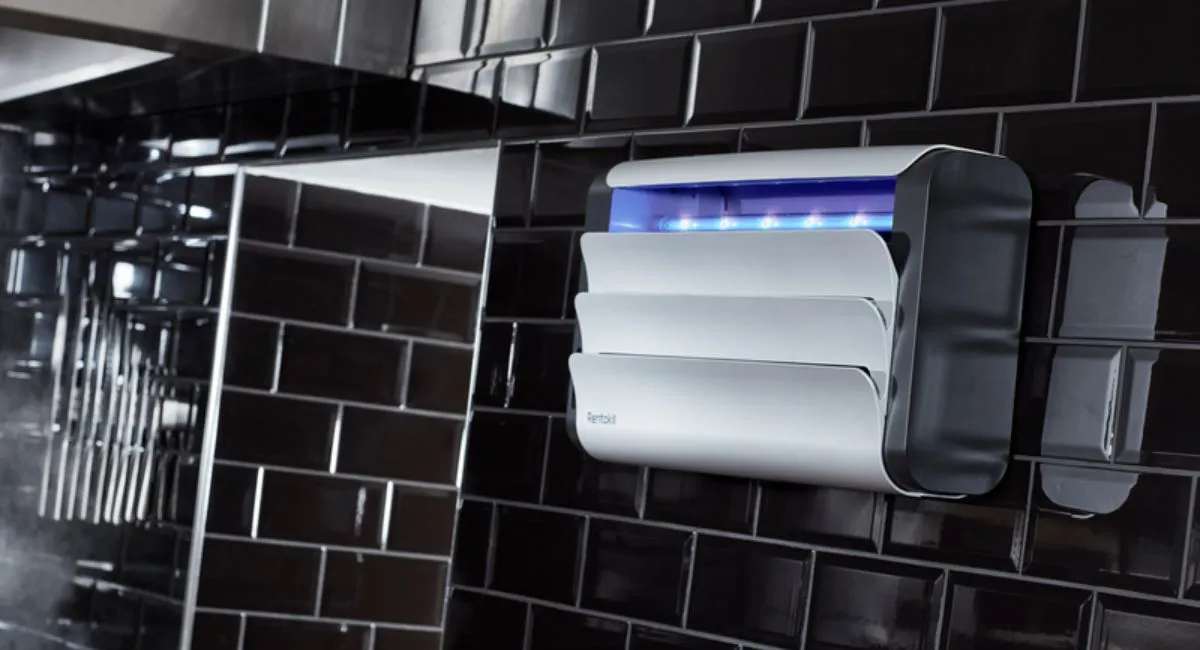
Once flies get indoors, the priority changes. It’s about reducing numbers in a controlled, hygienic way. This is why insect light traps are especially important in places where visibility matters, such as dining areas, office reception areas, and clinical settings like healthcare facilities.
They are designed to:
- Capture flies discreetly inside buildings
- Support hygiene standards in sensitive environments
- Help monitor fly activity over time
Modern systems, such as the Lumnia range of LED insect light traps, are designed to fit into a variety of commercial environments, from elegant, slimline models for reception and front-of-house areas to larger capacity units for commercial kitchens and manufacturing facilities.
A major advantage of LED-based units is their efficiency: they can use up to 79% less energy than traditional fluorescent models and are built with longer-lasting lamps—up to four years—helping reduce maintenance over time. 1,2
Choosing the right approach for your business
The best approach depends on a few key factors, such as where the flies are coming from, how they’re entering the space, the level of hygiene and visibility required, and the type of environment. In most cases, there isn’t a single solution that covers everything. If flies are building up outside, bait traps can help reduce that pressure. If flies are already inside, light traps help manage them more effectively.
Why a combined fly control strategy works best
Relying on one method alone can leave gaps. The most effective commercial fly control plans combine several approaches to tackle the problem from different angles. A well-rounded fly control program may include:
- Improved cleaning and waste handling
- Sealing entry points like doors and gaps
- Outdoor trapping to reduce incoming flies
- Indoor light traps for controlled capture
- Regular monitoring and servicing
This joined-up approach helps reduce risk over time, rather than just dealing with short-term spikes.
Getting support with commercial fly control
Every site is different, and fly activity can vary by season, layout, and industry requirements. That’s why it helps to take a tailored approach. At Presto-X, we work with businesses to assess where flies are coming from and build a plan that fits the space. That may include a mix of prevention, monitoring, and targeted solutions like light traps or outdoor trapping systems. If you’re reviewing your current setup or planning improvements, exploring your options is a good place to start.
Book a free consultation and discover how Presto-X can help you manage flies at your business.
¹ Findings based on comparison study conducted by Rentokil Initial in 2019 between Lumnia models (on Low Power Mode setting) and various fluorescent bulb insect light traps.
² 4-year lamp life based on manufacturer testing of Lumnia LED lamps; lifespan percentage based on available competitor claims as of October 2023.
Book your free pest inspection today
Our local technicians will assess your property and recommend tailored solutions. Book a friendly, obligation-free inspection at a time to suit you.
- Targeted treatments applied responsibly
- Experts in the pest pressures you face
- Trusted, trained technicians