© 2026 Rentokil Initial plc and subject to the conditions in the legal statement.
Quick overview
- Fumigation uses special gasses to reach pests that other treatments can't reach.
- There are three main fumigants used in the US: phosphine, sulfuryl fluoride, and methyl bromide.
- Each fumigant has specific uses, from grain storage treatments to structural pest control.
- Fumigation is a restricted-use process that must be carried out by trained professionals.
- Choosing the right fumigant depends on the pest, the site, and regulatory requirements.
When a pest problem goes beyond the reach of surface treatments, fumigants are often the answer. Fumigants are gaseous pesticides that penetrate deep into structures, commodities, and stored goods to address infestations that would otherwise be impossible to treat. Whether it's drywood termites hidden inside wall framing or beetles buried in a grain silo, fumigation gas can get where other methods simply can't.
But not all fumigants are the same. Each one has a different chemical profile, a different set of target pests, and a different set of rules around how and where it can be used. Below, we outline the main fumigants used in commercial pest control. But first, a quick overview of how fumigation works.
What is fumigation, and how does it work?
Fumigation is a type of pest control that uses a pesticide gas to treat an enclosed space. The gas disperses throughout the area, penetrating materials, cracks, and voids to reach pests at every life stage, including eggs, larvae, pupae, and adults.
For fumigation to work, the space needs to be properly sealed. In structural applications, that usually means tenting a building or otherwise sealing the structure. In commodity applications, it might mean sealing a grain bin or shipping container. The gas is then introduced at a concentration high enough to be effective, held for a set period, and then ventilated before anyone re-enters.
The key metric professionals use is called the CT value, which stands for concentration multiplied by time. Getting that balance right is what separates an effective treatment from an incomplete one.
The main types of fumigants
Not all fumigants work the same way, and the right choice depends on the pest, the setting, and how the treatment will be applied. In the U.S., there are three main fumigants used in professional pest control: phosphine, sulfuryl fluoride, and methyl bromide. Each has a distinct chemical profile, a specific set of target pests, and its own regulatory requirements. Here's what you need to know about each one.
Phosphine (hydrogen phosphide)
Phosphine is the most widely used fumigant for stored commodities in the United States and globally. It's generated from solid formulations, typically aluminum phosphide or magnesium phosphide tablets or pellets, which react with moisture in the air to release the fumigant gas.
It's particularly effective against stored product insects, including weevils, beetles, and moths, at all life stages. You'll find it used in grain bins, silos, warehouses, shipping containers, and railcars. Grain bin fumigation services rely on phosphine for exactly this kind of application, helping agriculture and grain operations protect their stored product from infestation.
Key facts about phosphine:
- Colorless and has a faint garlic-like odor at higher concentrations
- Degrades into harmless compounds after treatment, leaving minimal residue
- Classified as a Restricted Use Pesticide (RUP) by the EPA
- Must be applied by trained, certified applicators
- Effective across a wide temperature range, though efficacy can decrease in very cold conditions
One important consideration: phosphine resistance has been documented in some stored product insect populations, which is why integrated pest management and proper application protocols are vital.
Sulfuryl fluoride
Sulfuryl fluoride is a colorless, odorless gas registered by the U.S. EPA as both a structural and commodity fumigant. It's the primary replacement for methyl bromide in structural applications and is currently the only structural fumigant with registered residential uses in the U.S.
It's used to address a wide range of pests, including termites, powder post beetles, old house borers, bed bugs, carpet beetles, cockroaches, rodents, and certain stored product pests. For property owners dealing with a severe drywood termite infestation, termite tenting using sulfuryl fluoride is one of the most thorough treatment options available.
Key facts about sulfuryl fluoride:
- Fast-acting with good penetration into wood and structural materials
- Registered for use in buildings, vehicles, food commodities, and construction materials
- Requires specialized clearance devices to confirm safe re-entry levels
- Currently undergoing EPA registration review as part of a standard 15-year cycle
For businesses in food processing or storage, structural fumigation using sulfuryl fluoride can be an effective option for addressing widespread infestations in facilities where other methods haven't been sufficient.
Methyl bromide
Methyl bromide was once one of the most widely used fumigants in the world. It's fast-acting, broad-spectrum, and highly effective against a wide range of pests. However, its use has been significantly restricted in the U.S. and internationally because of its ozone-depleting properties.
Under the Montreal Protocol, methyl bromide has been phased out for most applications. In the U.S., it's now primarily limited to quarantine and pre-shipment (QPS) uses, meaning it's used to treat commodities, shipping containers, and wood packaging materials before international export to meet phytosanitary requirements like ISPM 15.
Key facts about methyl bromide:
- Highly effective and fast-acting
- Now restricted to quarantine and pre-shipment use in the U.S.
- Requires Critical Use Exemption (CUE) for any non-QPS applications
- Still used internationally in some regions under specific exemptions
Types of fumigation by application
Understanding the fumigant is only part of the picture. The type of fumigation also matters, and it's usually defined by where and how the treatment is applied.
Structural fumigation
This involves enclosing an entire building, typically under a tent or tarpaulin, and introducing fumigant gas to treat the whole structure. It's most commonly used for drywood termite infestations that have spread throughout a building's framing or are in areas where the infestation cannot be pinpointed or located. It's also used in food processing facilities and warehouses when a widespread infestation requires a full-facility treatment.
Commodity fumigation
Commodity fumigation treats stored goods rather than structures. Grain bins, silos, shipping containers, and warehouses storing bulk products are common targets. This is where phosphine is most frequently used. For businesses in agriculture, food processing, and storage and distribution, stored product insect control often involves commodity fumigation as part of a broader integrated pest management program.
Container and pre-shipment fumigation
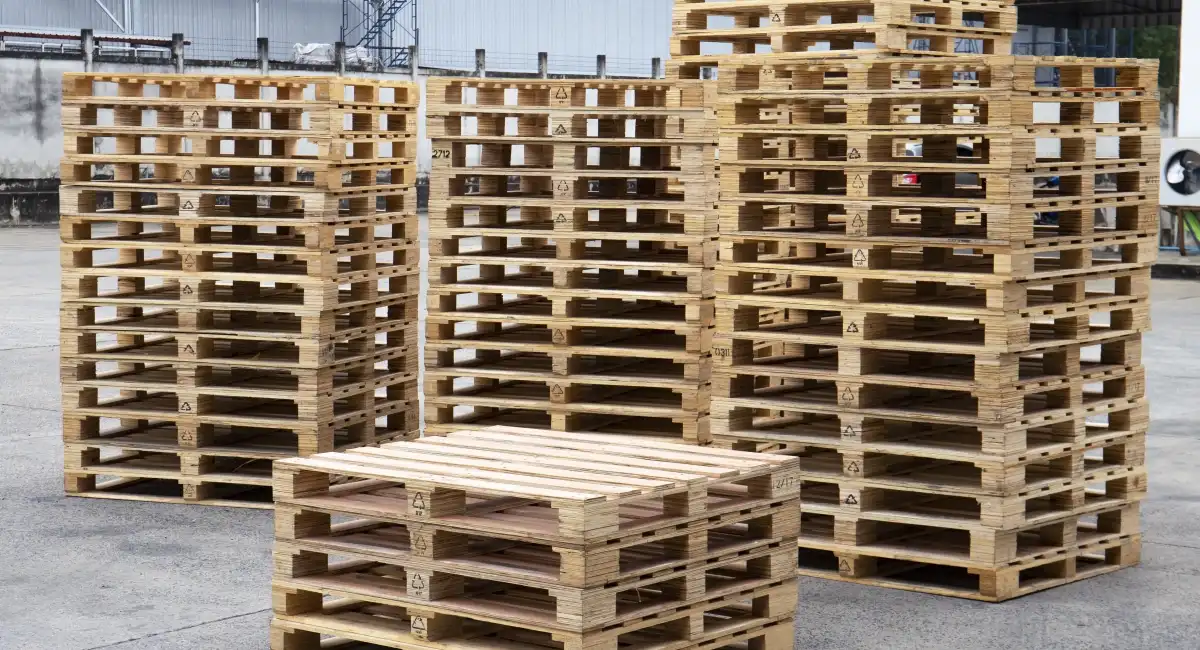
This type of fumigation is used to treat goods before they cross international borders. It's a regulatory requirement for many commodities and wood packaging materials. Methyl bromide is still used for this purpose under QPS exemptions, though alternatives are increasingly being adopted.
Who needs fumigation services?
Fumigation isn't a one-size-fits-all solution, but it's an important tool for certain industries and situations. The sectors that most commonly rely on professional fumigation services include:
- Agriculture and grain storage – protecting stored grain from weevils, beetles, and other stored product pests
- Food processing – addressing infestations in facilities where other treatments may not be practical; food processing pest control often incorporates fumigation as part of a compliance-focused program
- Warehousing and distribution – treating large storage spaces where pests can spread quickly through product inventory
- Residential properties – primarily for drywood termite infestations that have spread beyond what localized treatments can address
- Import/export operations – meeting international phytosanitary requirements for commodity and container shipments
For agriculture, ethanol, and grain operations, fumigation is often a critical part of maintaining product quality and regulatory compliance.
Ask us about fumigation
If you're dealing with a pest problem that may require fumigation, the first step is a professional inspection. Our technicians can assess your property, identify the pest and the extent of the infestation, and recommend the most appropriate treatment.
Get in touch to schedule your free inspection.
See how Presto-X can help commercial operations address pest infestations.
Book your free pest inspection today
Our local technicians will assess your property and recommend tailored solutions. Fast, friendly, and completely obligation-free.
- Safe, targeted treatments
- Local experts, fast response
- Trusted, trained technicians