© 2026 Rentokil Initial plc and subject to the conditions in the legal statement.
Quick overview
- Stored product insects are small pests that damage grain, flour, and other dry goods, often unnoticed until an audit or inventory check.
- They fall into three groups, beetles and weevils, moths, and mites, with different feeding behaviors and risk levels.
- Documented inspections and sanitation records are key to passing food safety audits.
- Prevention depends on shipment checks, sanitation, storage practices, and packaging integrity.
- A structured pest management program supports both compliance and product protection.
A failed food safety audit rarely comes down to one big mistake. More often, it's something small that built up over time, like a stored product insect (SPI) population that went unnoticed until an inspector found the evidence. For facilities handling grain, flour, or packaged dry goods, understanding this risk is part of staying audit-ready.
Why auditors look for these pests specifically
Stored product insects are difficult to catch during a routine walkthrough because they hide in cracks, seams, and gaps in packaging. Many are smaller than a grain of rice, and some can complete their entire life cycle inside a single kernel or seed without leaving a visible trace on the outside. By the time adult insects appear on shelving or packaging, a population may already be several generations deep.
They arrive with shipments or make their own way in, drawn by the smell of dry goods. An auditor trained to spot the signs, like damaged packaging or larvae near storage, can find evidence a facility team may have missed for weeks.
This is part of why routine visual checks often aren't enough on their own. A facility can look clean on the surface while still carrying a hidden problem in a corner of a storage room, inside a rarely moved pallet, or within a batch of grain that's been sitting for a while.
The three pest categories auditors flag
Auditors typically watch for three groups of pests, each carrying a different level of risk.
- Beetles and weevils: Feed and breed inside dried plant and animal products, and most can fly to find new locations, which makes this group a high risk for rapid spread.
- Moths: The larvae chew through food and packaging, while adult moths fly to lay eggs, putting this group at moderate to high risk.
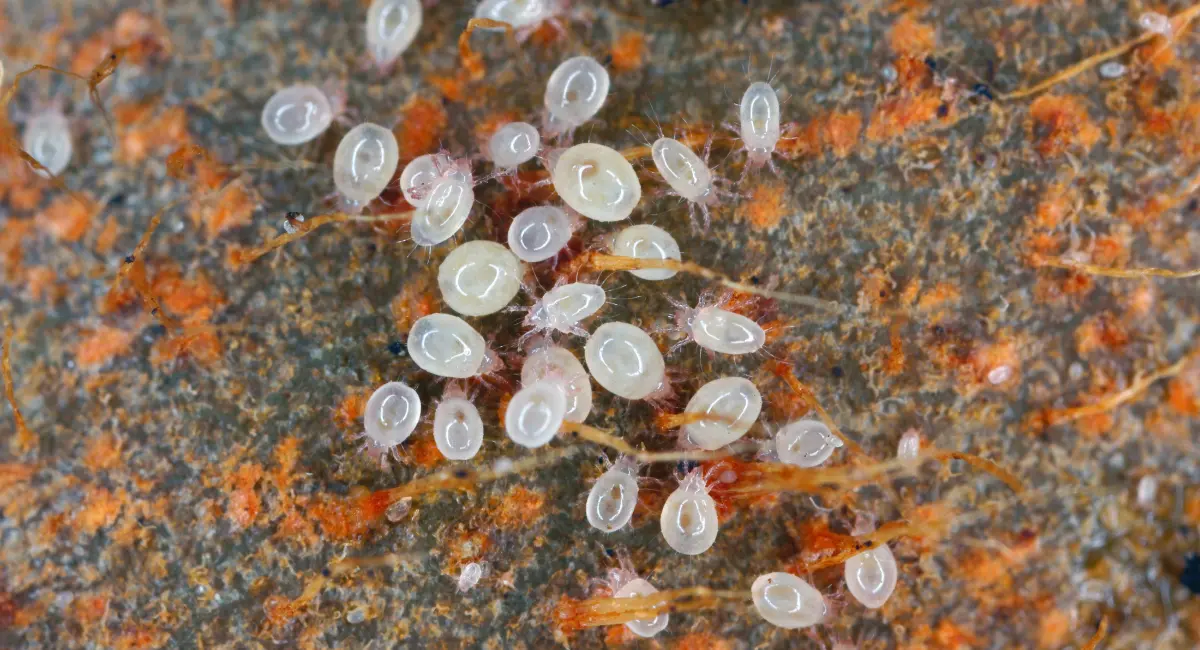
- Mites: These are arachnids rather than insects and are the smallest of the three. They can contaminate food and, in some individuals, trigger allergic reactions, placing them at moderate risk.
Feeding behavior matters for identification. Internal feeders, such as the rice weevil, granary weevil, and grain borer, lay eggs inside intact kernels and feed from within. External feeders, including the confused flour beetle, cigarette beetle, and flour mites, feed on the outside of grain, flour, or dust.
Evidence that shows up on an audit checklist
An auditor's checklist usually looks for a handful of telltale clues. Compromised packaging, including holes in bags or containers, is often the first thing that stands out, along with live or dead insects near beams, windowsills, machinery, or product. Spillage containing larvae, pupae, or webbing is another red flag, as is structural evidence like webbing found near storage areas.
Not every finding is a confirmed infestation. Minor packaging wear can resemble pest damage, which is why trained staff and regular sanitation audits matter, they help your team catch and document the difference before an external auditor does it for you.
Closing the gaps before your next inspection
A documented prevention program is often what separates a passed audit from a failed one. Build these steps into your routine:
- Inspect incoming raw materials away from primary storage, and reject anything with signs of live activity.
- Maintain sanitation standards around equipment, storage, and transport vehicles.
- Store products off the floor and away from walls.
- Use strong, sealed packaging, particularly in grain and agricultural facilities, where grain bin fumigation may also apply.
- Install and maintain tight-fitting screens on doors and windows.
- Keep waste sealed and bins cleaned regularly.
Rotating stock under a first-in, first-out system also matters here. Products left sitting for long stretches are more likely to attract pests and less likely to get inspected before an audit.
What a documented pest management program looks like
Passing an audit isn't a one-time event, it's the result of an ongoing program. A program built for compliance typically includes:
- Scheduled inspections of storage, processing, and receiving areas, with written records kept on file.
- Trend tracking across inspection visits, so recurring problem areas get flagged before they become bigger issues.
- Clear corrective actions for any findings, documented with dates and follow-up steps.
- Staff training on how to recognize early signs of stored product insects, so issues get reported sooner rather than discovered during an audit.
Facilities in food processing or storage and distribution benefit most from this kind of structure, since both product protection and supply chain integrity depend on consistent documentation. Warehouses managing multiple pest pressures at once, including rodents or birds, often fold stored product insect monitoring into a broader facility-wide plan.
Presto-X technicians work directly with your team to build that kind of program, including a stored product insect control plan suited to your facility. Reach out to your local Presto-X team to schedule an inspection ahead of your next audit.
Book your free pest inspection today
Our local technicians will assess your facility and recommend tailored solutions. Fast, friendly, and completely obligation-free.
- Safe, targeted treatments
- Local experts, fast response
- Trusted, trained technicians