© 2026 Rentokil Initial plc and subject to the conditions in the legal statement.
Wasp and bee control for commercial premises
Bees are important pollinators, but when a hive is too close to your property, it can cause safety concerns. Our bee removal services address infestations while taking care of and handling these insects responsibly. Whether you’re dealing with honey bees, bumble bees, or even aggressive species like Africanized bees, we work to relocate the colony where possible, so you can protect your property and reduce the risk of stings.
Bee problems can happen anywhere: inside walls, near rooflines, in a cavity space, or around landscaping. For both commercial and residential pest control, our technicians assess the nest location, size, and type of bee colonies present. We understand the added concerns of customer and staff safety and brand reputation associated with commercial properties. In all settings, we aim to provide effective bee removal services to address the issue and help prevent future infestations.
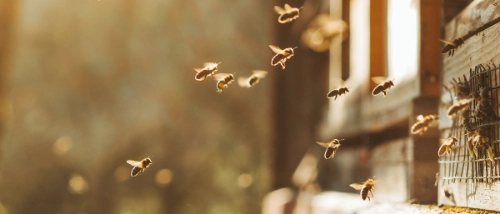
You should reach out if you see an active beehive or notice heavy buzzing near your property. Swarms of bees, visible honeycomb, or bees entering a wall or chimney are also clear indicators that a nest is present, or that bees are looking to establish one.
Contact our pest control experts to assess the problem before it worsens.
Contact usWe follow a step-by-step removal process to ensure we manage bee infestations effectively and responsibly. Our technicians are trained to identify the nesting sites, treat the problem in a way that reduces risk while adhering to environmental guidelines, and offer guidance to help prevent re-infestation.
The first step is to locate the nest and determine the type of bee present, such as European honey bees, bumble bees, or other species. Knowing the species helps us decide whether the nest can be relocated or if other control measures are needed to assist.
Once we confirm the species and nesting site, we create a tailored plan to manage the colony. Where possible, we work with a beekeeper or apiary to remove and relocate honey bees.
Our technicians will guide you through the steps necessary to reduce future risks. This may include sealing openings, repairing potential nesting sites, and addressing structural damage that could invite pests back.
To reduce the chances of bees returning to your property, seal cracks, gaps, and cavities to prevent access to potential nesting sites. Secure outdoor trash and limit flowering plants near building entrances. Reducing standing water also removes a key attraction. For lasting protection and to address the root cause of a bee infestation, contact Presto-X for a professional pest control plan.
PestFree365+ provides year-round coverage for 39 common pests, including bee infestations and wasp control¹. With ongoing monitoring and preventive treatments, it helps protect your property from recurring pest problems.
Different bee hives have different shapes and materials. For example, honey bees build wax combs, while bumble bees often use old rodent burrows. One of our trained professionals can confirm the species.
Most bees do not reuse old nests, but honey bees may continue to use the same hive if conditions are right. Old nests can still attract other pests, so they should be removed.
Leaving a nest alone can be safe if it’s sufficiently far away from people and pets. If it’s close to entrances or walkways, having a professional commercial bee removal expert assess the risk is the best option.
Bee removal costs depend on factors like the extent of the problem, species, nest accessibility, whether nest relocation is possible, etc. After inspection, we provide you with a free quote.
If you are worried that the presence of bees is posing a risk to staff, customers, or operations, it's time to hire a commercial pest control service. Disruptions to operations and customer experience (e.g., for food service outlets) is also a consideration. Acting quickly can prevent disruption.
Bees are drawn to flowers, sweet smells, open water sources, and sheltered nest spaces. Gardens with plants that pollinate heavily may attract more activity.
The most effective way to remove a nest is to have a professional bee removal service assess and manage the nest. DIY methods may be dangerous.
Seal entry points, reduce outdoor food sources, and limit nesting sites. Professional monitoring offers the best long-term prevention.
¹Treatments and Covered Pests defined in your Plan. Limitations apply. See Plan for details.