© 2026 Rentokil Initial plc and subject to the conditions in the legal statement.
Quick overview
- Traditional methods rely on scheduled visits with gaps between services.
- Proactive management uses continuous monitoring to catch activity earlier.
- The key difference is reactive vs. proactive control.
- Proactive models use less pesticide by targeting confirmed activity.
- Year-round rodent pressure makes coverage gaps risky.
When managing a commercial facility, deciding between traditional and modern methods of pest control is not just about preference. It affects how quickly problems are caught, how much documentation you have for audits, and how much product is applied on-site. Understanding how each model works helps you choose the approach that fits your building, your industry, and your risk tolerance.
Here is how the two compare, and what that difference means day to day.
How traditional pest control methods work
Traditional pest control methods are built around a set schedule. A technician visits on a fixed cycle, usually monthly or quarterly, checks bait stations and traps, and applies treatment based on what they find during that visit.
With an experienced technician, this approach can work well for buildings with low or predictable pest pressure. The limitation is timing. Between visits, nobody is watching the facility. If activity starts the day after a service call, it may not get flagged until the next scheduled stop, sometimes weeks later. Given how fast rodent populations can grow, that window matters more than it might seem.
Traditional service also tends to follow a routine treatment plan regardless of whether pest activity is actually present at that time, which is part of why newer approaches have shifted the conversation.
What is a modern pest control method?
A modern pest control method still relies on trained technicians, but it adds tools that close the gap between visits. Instead of only checking in on a schedule, integrated pest management (IPM) and connected monitoring work together to track conditions continuously and apply treatment only where it is actually needed.
Continuous monitoring and faster response
Digital monitoring devices can flag rodent activity in bait stations and traps as it happens, rather than waiting for a technician to find it on the next visit. That shift from a fixed schedule to ongoing awareness is the core idea behind proactive pest control.
Documentation that supports compliance
Because activity gets logged automatically, facility managers get a clearer record of what has happened across a site over time. For industries like food production, healthcare, and hospitality, that kind of documentation can support audit readiness and help demonstrate due diligence to inspectors.
According to the EPA, IPM programs are designed to use pesticides only when monitoring confirms pests have crossed an action threshold, rather than on a routine basis. That targeted approach is a central reason facilities move toward proactive pest management in the first place.
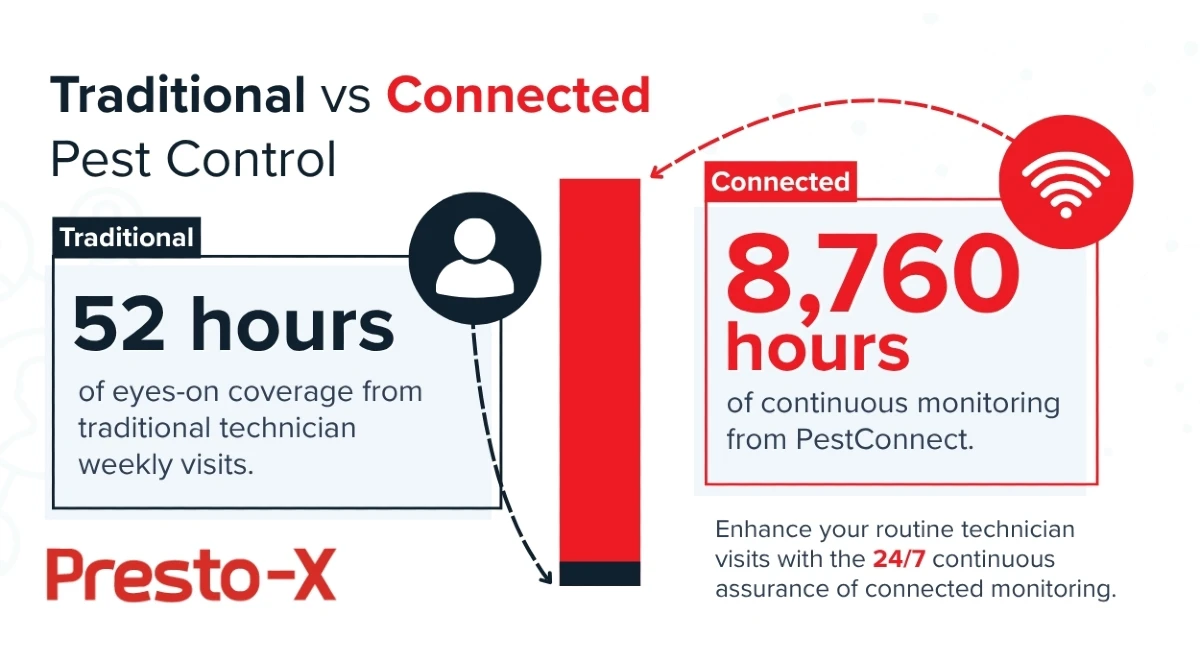
Reactive vs proactive pest management: what changes
Set side by side, the practical differences come down to a few factors:
- Coverage: scheduled checks versus ongoing monitoring between visits.
- Timing: responding after a problem is visible versus catching it as it develops.
- Treatment: routine application versus targeted treatment based on confirmed activity.
- Records: periodic service notes versus a continuous activity log.
That last point carries weight for facility managers working with auditors or health inspectors. A documented monitoring history can be the difference between a quick sign-off and a longer follow-up visit.
Which approach fits your facility?
Neither model replaces the need for a trained technician. The question is really about how much visibility your facility needs between visits.
For sites with consistent pest pressure, such as food processing plants or facilities near loading docks and waste areas, connected pest management gives technicians more to work with and can shorten the time between a pest entering a building and a technician responding. For sites with a clean track record, ongoing monitoring provides a way to confirm that status is holding steady rather than assuming it is.
In both cases, pairing proactive pest control with reliable rodent control closes the gaps that matter most to a facility's operations.
Where this fits into a broader pest strategy
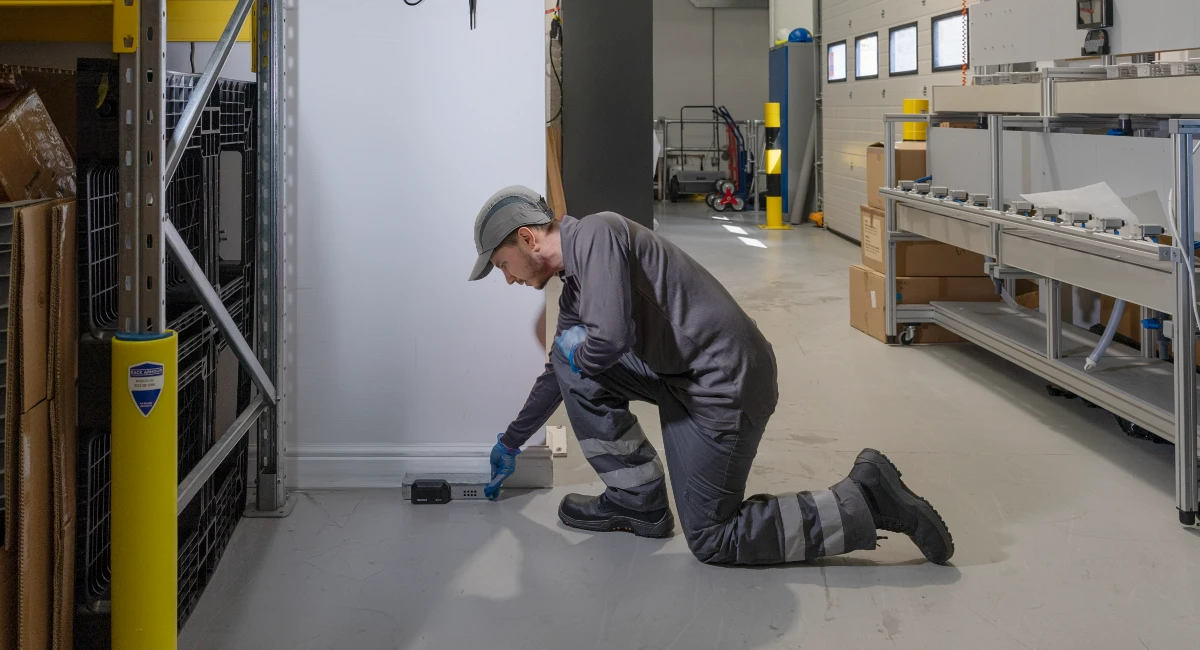
Choosing between traditional pest control methods and a modern, connected pest control method does not have to be all or nothing. Many facilities start with scheduled service and layer in monitoring for higher-risk areas like kitchens, receiving docks, and storage rooms. Over time, the data from that monitoring often shapes a more proactive plan for the rest of the building.
If your facility works through commercial pest control contracts tied to specific compliance requirements, it is worth asking your provider how monitoring data gets reported and how quickly your team is notified when something is flagged. Those answers often say more about an approach than the label attached to it.
Book a free inspection today to see how PestConnect connected pest control might work for your facility, and how it pairs with technician visits to provide more consistent coverage.
Book your free pest inspection today
Our local technicians will assess your property and recommend tailored solutions. Fast, friendly, and completely obligation-free.
- Safe, targeted treatments
- Local experts, fast response
- Trusted, trained technicians