Temps and termites are on the rise. Schedule your free inspection today.

1-800-759-1942 Call us for a free quote Contact us

Bird fleas (Ceratophyllus gallinae) are small, blood-feeding pests that commonly live in bird nests and feed on adult birds and chicks. While these fleas spend most of their lives on birds, they can occasionally become a problem for property owners. When birds abandon their nests, often built in roof eaves, vents, or sheds, bird fleas may look for new hosts. Although they rarely survive long indoors, they can still irritate people or pets.


What are bird fleas?

Bird fleas are small, wingless pests that live on birds. They are most active during the nesting season, when adult birds and chicks provide a steady food source. Recognizing and addressing a bird flea infestation early can help limit their spread into surrounding areas.

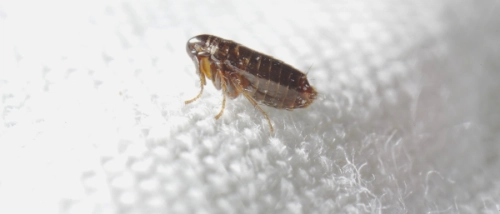
Bird flea

Key characteristics

  • Adult bird fleas are generally brownish color in colour, and 1/32"-5/16" long.
  • Their eyes and antennae are visible, and their mouthparts are well adapted for piercing skin and sucking blood, and project downwards from the head.
  • Their flattened bodies and long hind legs allow them to move easily through feathers and jump several inches to reach a host.
  • This species is the most common bird flea, often called the hen flea.
  • These pests are often found on nesting birds such as sparrows, starlings, and poultry.

Habitat, diet, life cycle, and behaviors

Bird fleas rely on birds for food, shelter, and development, and each part of their lives is shaped by where and how birds nest. Learning more about where they bird fleas live, what they eat, and how they behave can help you spot problems early and take the proper steps to manage them.

Bird fleas thrive in warm, sheltered environments such as roof eaves, attics, wall cavities, and sheds, anywhere birds commonly nest. These areas allow flea eggs and larvae to develop safely within the nesting material.

Homes or buildings with regular bird activity are more likely to experience bird flea infestations, especially when nests are built close to vents or chimneys. Removing old nests and keeping these areas clean can help reduce the likelihood of bird fleas in the house.

If left untreated, these conditions can allow bird fleas to multiply quickly, making professional treatment necessary to help manage and prevent ongoing infestations.

Although the bird flea diet primarily consists of avian blood, they may bite humans or pets if birds are unavailable. Such bites can cause itching or irritation; anyone affected should seek medical advice.

The bird flea life cycle follows the nesting pattern of its host. Like many flea species, it lays eggs in bird nests, where warmth and organic material help larvae develop. After hatching, larvae feed on debris before forming cocoons and entering the pupal stage.

Adult bird fleas emerge when they sense movement or body heat from birds, signaling a ready food source. Breeding continues throughout the nesting season as long as birds are present.

When birds leave, adult bird fleas can survive only briefly in the empty nest and must soon find another host to feed on. Because they depend on birds for each stage of development, these pests rarely survive indoors for long.   

Breaking this cycle, by removing abandoned nests and treating affected areas, is key to effective control.

Adult bird fleas live in the warm, protected spaces of nests, feeding on the blood of adult birds and chicks. Feathers and nesting material provide insulation and organic matter that help fleas survive and reproduce.

When nesting season ends, these pests look for new hosts. Sometimes, they may enter nearby lofts, roof spaces, or wall cavities.

Managing bird fleas

Dealing with bird fleas begins with identifying the source, which is often an old or active bird nest located near the property. Removing the nest once birds have left can interrupt the breeding cycle, but do-it-yourself methods usually provide only short-term relief.

Professional treatment offers a more reliable solution because bird fleas can hide in cracks, floorboards, and soft furnishings. Our technicians can help to locate the source, apply targeted treatments, and offer practical advice to help protect your home from future activity.


How to prevent bird fleas

To help prevent infestations of bird fleas (Ceratophyllus gallinae), inspect around rooflines, vents, and sheds for bird nests, especially after nesting season. Once nests are no longer active, they should be safely removed, and the area should be cleaned to discourage fleas from spreading.

Installing bird deterrents and sealing small gaps can further reduce the nesting opportunities. Our technicians can help identify early signs of bird fleas before they become a bigger issue.


Effective bird flea control methods

The most effective way to manage bird fleas is through professional pest control. Our trained technicians employ targeted methods to treat affected areas and manage bird flea infestations, all while protecting your property.
 

Frequently asked questions

Bird fleas usually come from nests near a home, such as those built in eaves, vents, or roof cavities. Once birds leave, the fleas search for new hosts.

Yes, bird fleas may bite humans if birds are unavailable. If bites cause irritation or swelling, consult a healthcare professional.

They can irritate pets by biting and feeding on them, especially if your pet explores areas with old bird nests. Regular checks and grooming could help reduce the risk.

They originate from bird nests, particularly those of sparrows, starlings, or poultry. The species Ceratophyllus gallinae is the most common type found near homes.

Bird fleas are common in sheltered areas where birds nest, such as attics, chimneys, and garden sheds. If nests are nearby, they may occasionally enter nearby rooms.

Book a free pest inspection with a technician local to your area.

Learn more about the different types of biting insects and how Presto-X can help protect your business.