© 2026 Rentokil Initial plc and subject to the conditions in the legal statement.
Spider control for Commercial premises
Wolf spiders are large (half an inch to one inch), fast-moving hunters that don't rely on webs to catch their prey. One of the most common wolf spider species found in the U.S. is Trochosa ruricola. While they usually stay outdoors, it’s not unusual to spot them inside, especially in basements, sheds, or garages. Their sudden appearance can be alarming, but they’re not looking to cause trouble and usually prefer to avoid people.
Wolf spiders are ground-dwelling hunters. Unlike many other spiders, they don’t use webs to trap food—they actively chase and capture prey, usually small insects and other arachnids. They have strong eyesight, quick reflexes, and a reputation for being solitary. Wolf spiders of the Trochosa genus are often found in leaf litter and grassy areas. They are more active at night and often come into homes by accident.
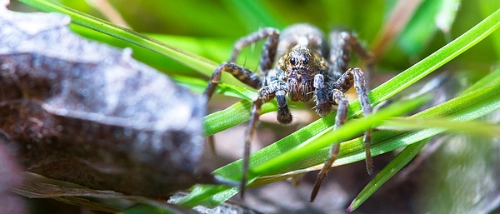
Before you dive into the details below, here are a few things that help identify wolf spiders.
The way wolf spiders grow and mature sets them apart from many other arachnids. Unlike spiders that leave their young behind, Trochosa ruricola stays closely involved in the early stages. From the moment eggs are laid to when spiderlings start to explore on their own, every step of the process is carried out without a web.
Female Trochosa ruricola lays their eggs in silken sacs, which they carry attached to their spinnerets. This behavior allows the female to protect the eggs from predators and environmental hazards while remaining mobile. The egg sac is spherical and can contain up to 100 eggs. After an incubation period of about two to three weeks, the eggs hatch into spiderlings.
What makes wolf spiders even more remarkable is their maternal care. Once the spiderlings emerge, they climb onto the mother's back and stay there for several days to a week. During this time, she continues to hunt and move about, providing the young with warmth and protection.
As the spiderlings grow, they begin to disperse and start hunting on their own. Wolf spiders go through several molts — shedding their exoskeletons — as they develop. This process, known as instar stages, occurs multiple times before they reach maturity, which can take several months depending on environmental conditions like temperature and food availability.
As temperatures drop in fall, wolf spiders start to look for warmer areas to shelter. That’s often when people see them indoors. During spring and summer, they’re more active outside, hunting at night and hiding during the day. Their movement inside your home doesn’t necessarily mean there’s a nest—just that they’ve found an easy way in while searching for prey or warmth.
Wolf spiders are active hunters and feed on small insects, other arachnids, and even tiny reptiles, helping to reduce some pest populations.
The Trochosa ruricola wolf spider often hides in grassy areas, compost, or under logs. They prefer moist, quiet spots with access to plenty of prey. Inside, they may hide in basements or crawl spaces. Outdoors, they build shallow burrows with simple entrances, often blending in with their surroundings.
Wolf spiders are predators. They eat ants, beetles, flies, and even other spiders. Instead of trapping food, they rely on their speed and eyesight to chase it down. This makes them helpful outdoors, but less welcome inside the home.
Seeing a wolf spider doesn’t always mean there’s a large problem. But if you notice them often, or suspect you’re dealing with an infestation, it may be time to take action. Pest control for wolf spiders starts with identifying entry points, removing clutter, and keeping areas clean and dry. For ongoing problems, our local team can offer wolf spider treatment options that help reduce activity.
To help prevent wolf spiders from coming indoors, seal gaps around doors and windows, repair screens, and reduce outdoor lighting to keep out other insects that form their prey. Also, keep vegetation trimmed and store firewood away from the home.
The most effective way to manage this species is to call in a professional wolf spider exterminator like Presto-X. Our technicians have a wealth of experience and can identify the source of the wolf spider problem as well as the most effective treatments and preventative steps. Book your free inspection today.
Wolf spider bites can be painful, but aren’t considered dangerous to most people. If you are concerned about a spider bite, speak with a healthcare professional.
Wolf spiders may come inside seeking warmth or chasing prey like insects. Homes with easy entry points are more likely to attract them.
Stay calm and avoid handling it. Try to trap it in a container and release it outside, or contact us for help with wolf spider pest control.
No, wolf spiders don’t jump at people. They move quickly but try to avoid human contact.
It’s unlikely. Bites usually happen only if the spider feels threatened.
The Trochosa ruricola species of wolf spider lives outdoors in grassy areas, leaf litter, and burrows. Indoors, they hide in dark, quiet spots like basements.