Temps and termites are on the rise. Schedule your free inspection today.

1-800-759-1942 Call us for a free quote Contact us

Gray squirrels are a common sight across many neighborhoods, fields, and wooded areas. They are active, adaptable wildlife that often live close to people, which can sometimes lead to concerns about noise, nesting, or damage.

Gray squirrel characteristics

These squirrels are agile climbers, thanks to their strong legs, sharp claws, and a long, bushy tail that helps them maintain balance. With excellent eyesight and quick reflexes, they can move through trees, find food, and avoid danger.

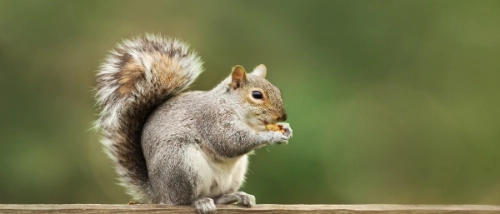
a grey squirrel eating nuts on a wooden fence

Gray squirrel characteristics and appearance

Gray squirrels have a distinctive appearance that makes them easily recognizable at a glance.

  • 13 1/2 to 21 inches long.
  • Weighs 550 - 750g.
  • Gray-brown fur color with a pale belly.
  • Long, bushy tail used for balance and warmth.
  • Strong back legs and sharp claws for climbing bark.
  • Small, rounded ears with little or no tufts.
  • The coat may appear thicker in winter and lighter in summer.

Habitat, diet, life cycle, and behaviors

Gray squirrels adapt well to many environments. They nest in tree cavities or build leafy nests high in branches and often travel along fences and rooflines. It’s easier to spot signs of activity when you know where they live, what they eat, and how they act through the year.

Most gray squirrels prefer mixed woodland, but they also make use of gardens, parks, and hedgerows. Gray squirrels' habitat usually includes tall trees for nesting and safe travel routes, along with nearby food sources. In autumn, they may move into gardens or open fields as they look for nuts, seeds, and shelter.

Gray squirrels can eat a wide range of foods. A gray squirrel's diet includes nuts, seeds, berries, fungi, and sometimes bird eggs if other food is limited. They also gnaw on bark when searching for sap or to keep their teeth trimmed, which can lead to damage to young trees.

Gray squirrels follow a steady yearly rhythm, from breeding seasons to where they choose to raise their young.

  • Breed in December/January and again in May/June
  • Have one to two litters per year
  • Produce one to five young in each litter
  • Commonly found in mixed broadleaf/conifer woodland
  • In the autumn, they may move into hedgerows, gardens, and fields away from woods
  • Females live four to six years; males live two to three years, which is the typical gray squirrel's lifespan in the wild.

Gray squirrels are active during the day and spend much of their time gathering food or moving between trees, hedgerows, gardens, and farms. They are known to strip bark, especially on beech and sycamore trees, and may look for warm spaces in attics if natural shelter is limited.

Are gray squirrels dangerous?

Gray squirrels are generally not aggressive, but they can cause problems when they nest in homes or business environments. They may chew on wood, insulation, or wiring, which can lead to noise and damage over time. 

Outdoors, they can harm young trees by stripping bark, and they may build several nests in the same area. While they tend to avoid people, it’s best not to approach them, especially if they are protecting a nest.

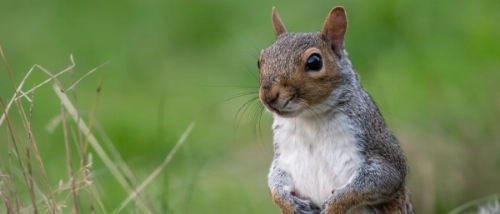
squirrel looking ahead in the wild

How to get rid of gray squirrels

Removing squirrels often requires a careful approach, as they can return if entry points are not sealed. DIY trapping or deterrents tend to offer only short-term relief.

Working with trained technicians through our wildlife management services helps to address the source of the issue, seal access points, and help with long-term protection for your home or business.

Gray squirrel prevention tips

You can help reduce squirrel activity by trimming branches near your roof, storing food securely, and repairing gaps or holes around your home. Ensure bins have tight lids and clear away any fallen nuts or fruit from the yard. These steps can help deter squirrels from nesting or exploring your space, although professional support may still be necessary for persistent activity.

Pest control solutions for gray squirrel problems

Our team offers tailored solutions to help manage squirrel issues and protect your property. We inspect the area, look for nests or entry holes, and recommend steps to prevent future access. If you’re already dealing with noise, damage, or infestation, we can help through our comprehensive pest control for homes.

Pest control for your business

Squirrels can cause disruptions in warehouses, offices, and commercial sites. We assess risk areas, remove squirrels where allowed, and strengthen your building to prevent re-entry. To support ongoing protection, explore our comprehensive pest control for businesses.

Managing gray squirrels

Gray squirrels can cause ongoing issues when they nest in attics, chew entry points, or damage insulation and wiring. If you’re noticing signs of squirrel activity, Presto-X can help evaluate the situation and outline practical, responsible options to help limit damage and prevent future access.

Frequently asked questions

They often choose nuts such as acorns, hazelnuts, and walnuts. They will also eat seeds, fruit, and fungi when available.

In the wild, most live two to three years, though some females reach four to six years. Weather, predators, and food access all play a role.

Contact us

Contact your local pest control office to find out more about how we can protect your property.

Pest control for your business

Learn more about how we can help protect your business from pest problems year-round.