© 2026 Rentokil Initial plc and subject to the conditions in the legal statement.
Quick overview
- Food safety in grocery stores goes well beyond temperature checks and expiration labels.
- Pests, including rodents, flies, and cockroaches, are among the most serious threats to product integrity.
- Structural issues like damaged door seals and poorly maintained loading areas can raise pest risks.
- Incoming shipment inspection forms the last line of defense before products reach the shelf.
Maintaining food safety in supermarkets and grocery stores involves managing a wide range of risks, not least of which is pest control. According to the FDA, roughly 48 million Americans experience foodborne illness each year, resulting in an estimated 128,000 hospitalizations and 3,000 deaths. Retail food environments sit right at the center of that risk chain.
The good news is that pest control for supermarkets and convenience stores is manageable when you have the right protocols in place.
Why supermarkets face unique food safety challenges
Grocery stores operate unlike most other food businesses. Under one roof, you're managing raw meats, fresh produce, prepared deli items, loose bakery goods, and open displays. Dozens of suppliers feed products into your store through complex supply chains, and hundreds of customers move through each day, handling products and bringing the outside world in with them.
That combination creates multiple points where food safety can break down. Commercial pest control has to account for pest threats across the entire footprint, from delivery docks to customer-facing displays, and that starts with understanding what those threats actually are.
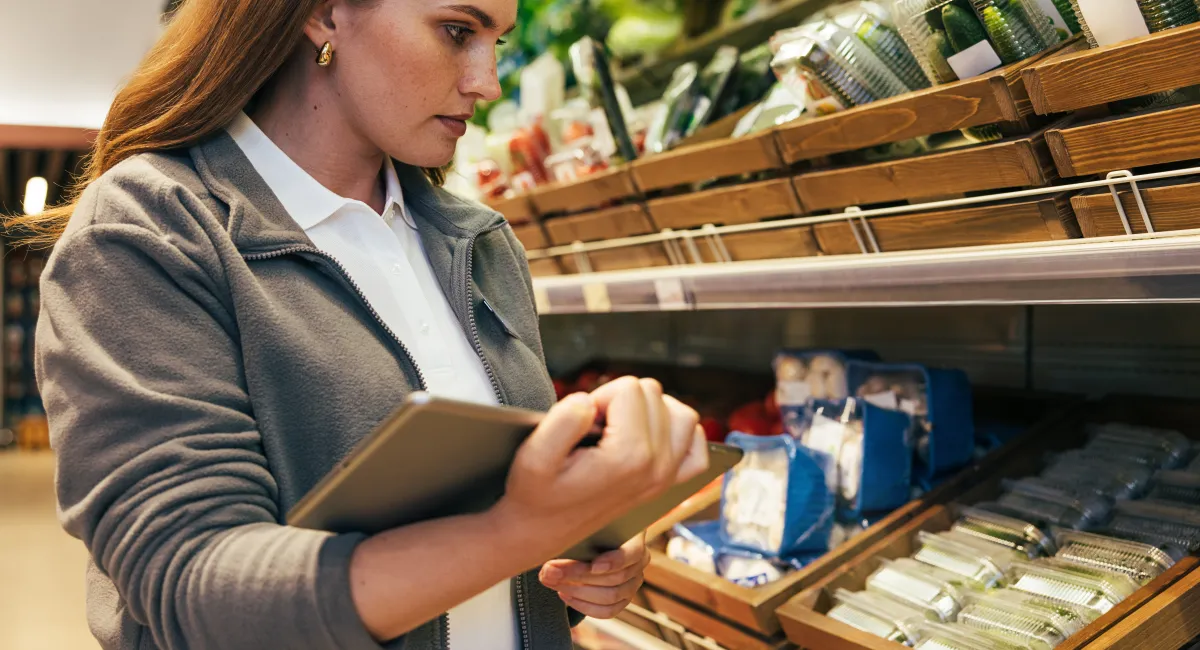
Pests: One of the main threats to food safety
Pests are one of the most serious supermarket food safety risks. Grocery stores offer exactly what rodents, flies, and cockroaches need: food, water, and shelter. Once inside, they can contaminate surfaces, damage packaging, and spread pathogens throughout a facility in ways that aren't immediately visible.
- Rodents leave behind droppings, urine, and rub marks that can all carry disease-causing bacteria. They tend to stay close to reliable food sources, which makes grocery stores and their loading areas a consistent target. Even a single customer sighting can trigger complaints, health department visits, and lasting reputational damage. Proactive rodent control includes routine monitoring, sealing of access points, and addressing food waste and spillage areas that attract activity.
- Flies are a significant concern anywhere fresh produce and open food are displayed. House flies are known to carry over 100 types of pathogens, including Salmonella, E. coli, and Campylobacter, picking them up from garbage, drains, and organic waste before landing on food and prep surfaces. A targeted fly control program using insect light traps, drain maintenance, and sanitation protocols can substantially reduce this risk.
- Cockroaches gravitate toward warmth, moisture, and even cardboard packaging, making busy retail back-of-house areas and delivery zones particularly vulnerable. Their droppings and shed skins can contaminate food and trigger allergic reactions. Because infestations tend to grow quickly, consistent cockroach control is a non-negotiable part of any food retail pest management program.
Building condition and structural risk
Structural issues are a common but often overlooked contributor to food safety problems. Gaps around pipes and utility lines, worn door seals, damaged vents, and cracks in walls or floors can all give pests direct routes inside. Loading docks are especially vulnerable, since they are in frequent use and harder to seal completely.
Outside the building, poorly maintained dumpsters and compactors attract rodents and flies and draw them closer to entry points. Landscaping like grass medians and planters in parking areas can provide harborage for rodents, while bird activity on rooftops and building signage creates contamination risks through droppings.
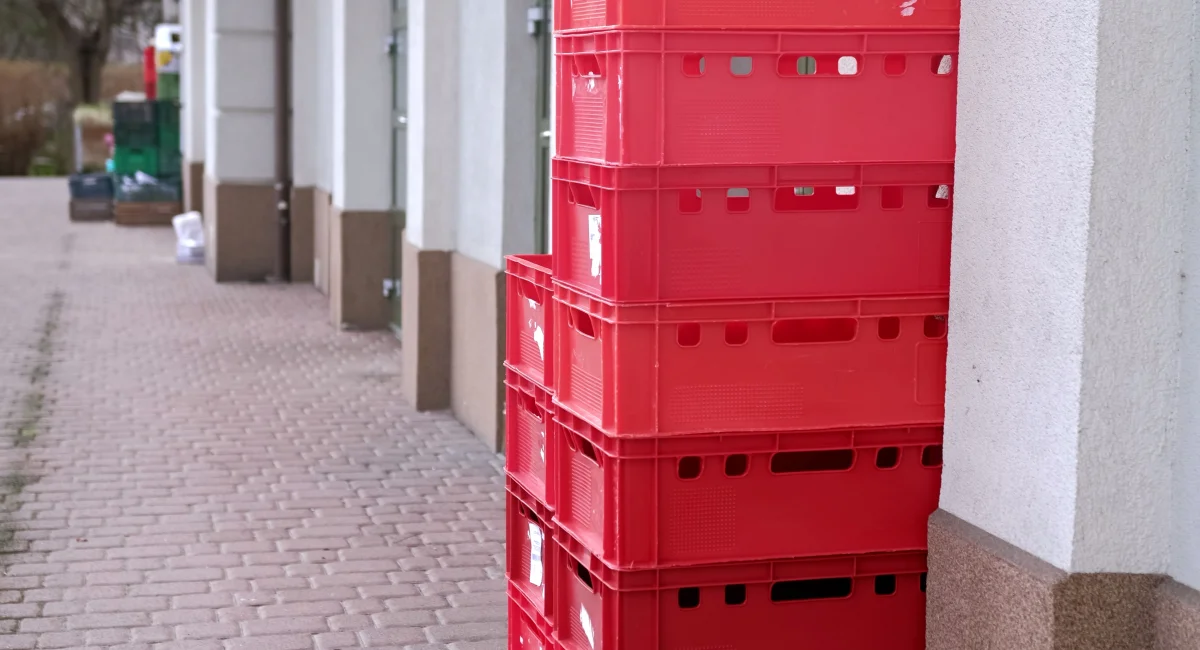
Your supply chain is part of the picture
Food safety risks for grocery retailers do not start at the store entrance. Products arrive through complex supply chains, and what happens before delivery directly affects what ends up on your shelves.
Clear supplier agreements covering hygiene standards, temperature control, and pest management practices help set expectations before products arrive. Each incoming shipment should go through a documented inspection process, checking for signs of pest activity, tampering, or poor temperature control.
Talk to Presto-X about pest control in your stores
If you have concerns about pest activity in your store or want to review your current approach, our team works with grocery retailers across the country to help reduce risk and support compliance. Get in touch with us to set up an inspection with your local Presto-X technician.
See how Presto-X can help supermarkets and grocery stores prevent and address pest infestations.
Book your free pest inspection today
Our local technicians will assess your property and recommend tailored solutions. Fast, friendly, and completely obligation-free.
- Safe, targeted treatments
- Local experts, fast response
- Trusted, trained technicians